
What is an Independent Power Producer?
Independent power producers (IPPs) are entities that generate power for sale to the public. IPPs were first introduced through regulatory reforms in the 1970s and 80s through policies, such as the U.S. Public Utility Regulatory Policies Act of 1978 (PURPA). This law allowed non-utility companies to own and manage their own power generation facilities. By opening the market to private investment, policymakers enabled IPPs to operate with greater flexibility and innovation at a time when large utilities controlled nearly all electricity production.
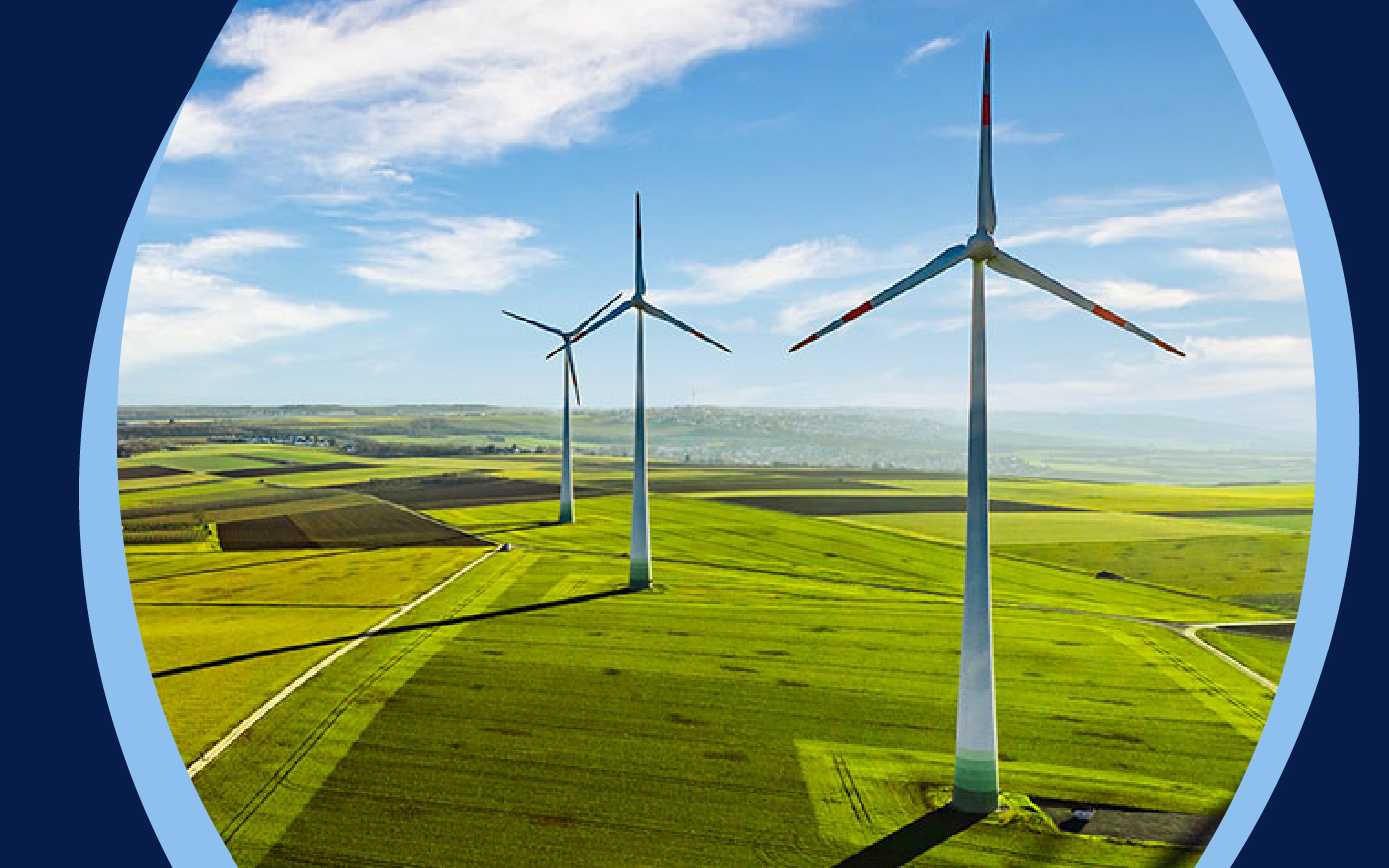
Many IPPs focus on renewable energies – wind, solar, hydro, or stand-alone battery projects – selling power directly into wholesale energy markets. Their independence has made them a key driver in transforming the U.S. energy sector.
The Role of IPPs in the Energy Industry
IPPs emerged as governments sought to expand generation capacity, encourage competition, and diversify energy sources beyond traditional utilities. Today, their role is critical as the nation moves toward independent and renewable sources of energy.
IPPs offer several advantages that position them at the forefront of this transition:
Mobilizing Private Capital: IPPs attract billions in private investment, reducing reliance on government or utility funding
Policy Alignment: Laws such as PURPA and renewable portfolio standards support IPP participation, while renewable energy credits provide an additional revenue stream
Technology Leadership: IPPs often pilot advanced solutions – from battery storage to smart grid integration – enhancing the reliability and scalability of renewables
Decentralized Deployment: Smaller, localized projects reduce transmission losses, improve grid resilience, and expand energy access in underserved, rural regions. By bringing new projects online, IPPs create pressure that drives utilities to innovate, accelerating the adoption of cleaner energy
IPPs aren’t just independent producers, they are catalysts for investment, innovation, and new energy economy. They’re proven to be effective alternate resources, diversifying provider channels while enabling cost efficiencies. Because they operate on a smaller scale, they are often more nimble and able to test cutting-edge technologies and methods. This knock-on effect can go a long way toward speeding market adoption and integration.
Building an IPP
Launching an IPP requires significant planning and investment. Companies must evaluate land availability, transmission infrastructure, and the mix of energy sources that will make their project competitive.
Once built, facilities can sell electricity on the open market or through contracts, but either path requires upfront capital for equipment, construction, and permitting. Often, IPPs secure long-term Power Purchase Agreements (PPAs) with utilities or other buyers before construction begins, ensuring predictable revenue once power is generated. In all cases, financing is essential from project initiation through electricity delivery.
Key Business Models of IPPs and How They’re Financed
1. Power Purchase Agreements (PPAs)
How They Work: IPPs sign long-term contracts (PPAs) with utilities or corporations, setting terms for supplying power at a fixed price over a determined period, often 10-25 years. This guarantees revenue but requires large upfront capital.
Financing Needs: PPAs align well with structured finance loans, which match repayment schedules to contract revenue. Working capital solutions help bridge cash gaps between project expenses and incoming payments.
2. Merchant Power Plants
How They Work: Merchant plants sell electricity directly on the open market without a contract. This allows IPPs to capture high margins when prices are strong but exposes them to market volatility.
Financing Needs: Flexible working capital solutions help merchant IPPs weather revenue swings. Financing companies who design liquidity solutions for industries with cyclical revenue can provide stability during market fluctuations.
3. Feed-in Tariffs (FiTs)
How They Work: FiTs are government programs guaranteeing a fixed price to IPPs for the energy they produce over 15-25 years, reducing financial risk and driving new investments in the sector.
Financing Needs: Because FiTs make revenue streams predictable, they pair well with equipment financing and structured, long-term loans. These loans can be customized with repayment terms that align with tariff contracts, helping IPPs scale renewable projects sustainably.
Challenges for IPPs
IPPs operate in a highly regulated and competitive environment, balancing complex permitting, environmental standards, and fluctuating energy prices. Unlike public utilities, IPPs do not have the same rate base protection, eliminating the assurance of a profit margin above operating costs.
Another key hurdle for IPPs is financing. Developing power plants requires massive upfront investments, and many IPPs face delays and obstacles before generating revenue. Having the right financial partner can help overcome these challenges before long-term revenue is realized.
Pathward Is Financing the Future of IPPs
Whether your IPP pursues a long-term PPA, competes as a merchant producer, or builds under a feed-in tariff, Pathward understands the financial demands of each model. We can help IPPs overcome challenges with each model by offering:
- Structured financing for capital-intensive buildouts
- Working capital solutions to maintain operations
- Equipment financing tailored to renewable technology investments
Our customized solutions and strategic partnerships with energy lenders enable you to innovate, expand, and deliver clean energy nationwide.
If you’d like to connect with someone on our team to explore a financing relationship, please click here to start the conversation.
Commercial Finance products subject to underwriting.